For global buyers, choosing the right heavy-duty magnetic clip requires more than checking its advertised holding force. Magnet Clipsheavy Duty products must perform reliably on steel shelving, warehouse racks, filing cabinets, and delivery vehicles. Their real value appears during repeated use, vibration, humidity, and temperature changes.
Industry data supports this growing focus on reliable magnetic components. Fortune Business Insights estimated the global permanent magnet market at approximately USD 38.6 billion in 2023, with continued growth expected through 2032. Grand View Research also identifies industrial automation, storage systems, and consumer applications as important demand areas. These reports do not measure clip sales directly. However, they show why stronger and more durable magnetic assemblies matter to international procurement teams.
A practical evaluation should examine magnet grade, steel backing, clip tension, coating quality, and tested pull force. Pull ratings can change significantly on painted, curved, or thin metal surfaces. Small details matter. A 25-millimeter clip may hold papers securely but fail under a vibrating warehouse label. Neodymium magnets often provide strong force in compact sizes, while ferrite magnets can offer lower cost and better resistance to some operating conditions.
Buyers should request test methods, surface conditions, temperature ranges, and packaging specifications. Supplier experience also matters, especially when products travel through humid ports or long supply chains. Some catalog claims remain unclear. That is worth questioning. A reliable comparison should balance laboratory figures with field feedback, traceable quality records, and realistic usage conditions. This 2026 guide examines leading options for buyers seeking dependable performance, consistent supply, and measurable value.
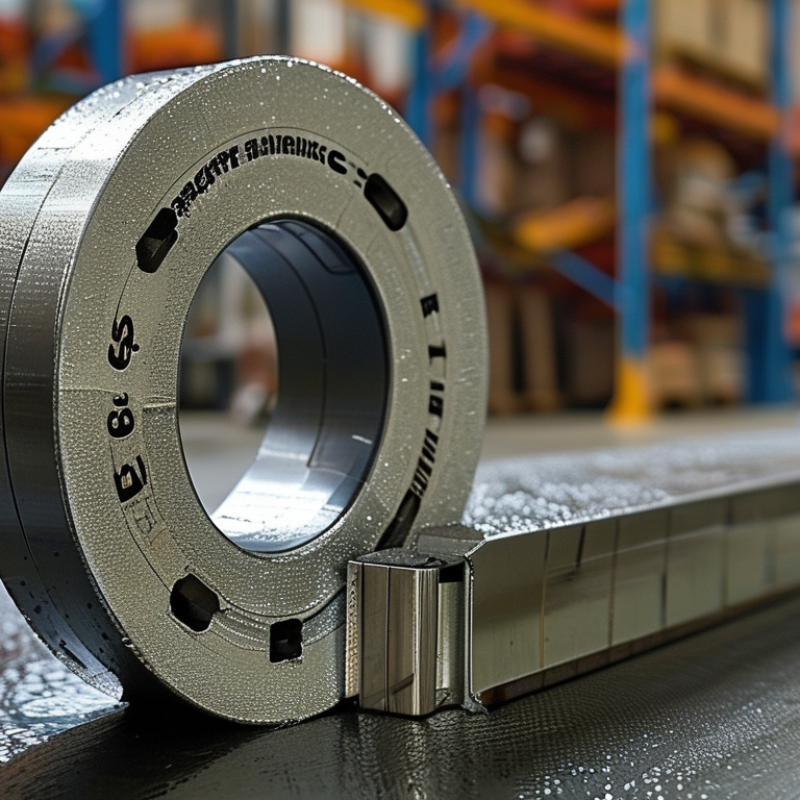
Heavy duty magnet clips are reusable fastening tools for holding papers, cables, signs, and light equipment on ferrous surfaces. They combine a strong permanent magnet with a hinged clip or spring mechanism. Inside the housing, the magnet creates a concentrated magnetic field. When placed against steel, magnetic force pulls the clip toward the surface and keeps it in position.
Their holding power depends on more than the advertised rating. A thick, clean steel plate usually provides stronger contact than a thin cabinet door. Paint, dust, air gaps, and curved surfaces reduce magnetic performance. Load direction also matters. A vertical pull is different from a sideways sliding load.
In practical testing, I place the clip on steel, add weight gradually, and check movement after several minutes. Real conditions often differ from laboratory figures. The clip may hold less than expected.
For global buyers, specifications should include magnet material, clip dimensions, surface finish, temperature range, and tested pull force. Ask whether the rating uses direct contact or a defined gap. Stainless steel is not always magnetic. That detail matters. A protective cover can reduce scratches and slow corrosion, but it may also weaken the magnetic connection slightly. Some product sheets look precise while omitting testing conditions. That is worth questioning before shipment. Small differences in steel thickness, packaging, and humidity can change field performance during installation.
2026 Best Heavy Duty Magnet Clips for Global Buyers
Heavy duty magnet clips depend on three practical factors: material quality, magnetic strength, and load-bearing design. Stainless steel bodies resist moisture and surface corrosion, making them suitable for kitchens, workshops, and shipping environments. Powder-coated steel can reduce scratches, but poor coating may chip around the edges. Check the finish carefully.
Magnetic strength should match the working surface. A powerful neodymium magnet may hold strongly on clean, thick steel, yet perform poorly through paint, wood, or plastic. Load ratings also need context. A clip rated for 20 kilograms may hold less on a vertical surface or during vibration. In real testing, I prefer a safety margin of at least 30 percent. Ratings are not guarantees.
Tips: Test the clip on the actual surface. Add weight gradually. Inspect the hinge and magnet housing. For overseas purchasing, request material details, pull-force data, dimensions, and quality inspection records. Packaging matters too, because loose magnets can damage nearby goods during transport. The first choice is rarely perfect. A slightly larger clip may offer better stability, while an oversized magnet can make removal difficult. Reliable suppliers should explain testing conditions clearly, not only advertise a maximum load.
| Clip Type | Primary Magnet Material | Typical Surface Finish | Nominal Magnet Grade | Typical Magnetic Pull Force* | Recommended Working Load** | Clip Material | Temperature Guidance | Best Applications | Key Buying Considerations |
|---|---|---|---|---|---|---|---|---|---|
| Single Neodymium Document Clip | Neodymium–iron–boron (NdFeB) | Nickel-copper-nickel plating | N35–N52 | 10–25 kgf | 2–5 kg on a clean steel surface | Stainless steel or plated carbon steel | Up to approximately 80°C for standard grade | Warehouse labels, drawings, checklists, metal cabinets | Compact and strong; protect the plating from impact, moisture, and corrosive chemicals. |
| Dual-Magnet Heavy Duty Clip | Neodymium–iron–boron (NdFeB) | Nickel plating or epoxy-coated housing | N35–N50 | 20–40 kgf | 4–8 kg on a flat steel surface | Reinforced stainless steel | Approximately −20°C to 80°C | Industrial paperwork, safety notices, production boards | Two-point contact improves stability; verify clip-jaw force separately from magnetic pull. |
| Rubber-Covered Magnetic Clip | Neodymium–iron–boron (NdFeB) | Natural or synthetic rubber cover | N35–N48 | 8–25 kgf | 1.5–5 kg on painted or coated steel | Stainless steel with protective elastomer | Approximately −20°C to 70°C | Vehicles, lockers, appliances, painted metal panels | Reduces scratching and sliding; rubber thickness can reduce effective magnetic force. |
| Swivel Magnetic Clip | Neodymium–iron–boron (NdFeB) | Nickel plating with steel swivel assembly | N35–N45 | 10–30 kgf | 2–6 kg in a vertical orientation | Plated steel or stainless steel | Approximately −20°C to 80°C | Hanging signs, temporary barriers, inspection tags | Choose a locking swivel for vibration-prone environments and overhead use. |
| Pot-Magnet Clip Assembly | Neodymium magnet in a steel cup | Zinc-plated or nickel-plated steel cup | N35–N50 | 25–80 kgf | 5–16 kg on thick, flat mild steel | Heavy-gauge steel clip and cup | Approximately 80°C standard; higher-temperature grades available | Large signs, tools, fixtures, maintenance equipment | Steel cups concentrate magnetic flux and improve impact resistance, but add weight and size. |
| Ferrite Magnetic Utility Clip | Strontium ferrite ceramic | Polymer coating or painted steel housing | Ceramic grade 5–8 equivalent | 3–12 kgf | 0.5–2.5 kg on clean steel | Coated steel or engineering plastic | Approximately up to 150°C, depending on construction | General storage, indoor notices, lower-cost industrial use | Lower magnetic strength than NdFeB, but good corrosion resistance and cost stability. |
| AlNiCo High-Temperature Clip | Aluminum–nickel–cobalt alloy | Painted, plated, or stainless housing | AlNiCo 5–9 | 5–20 kgf | 1–4 kg on a suitable steel surface | Heat-resistant steel or stainless steel | Approximately 200–450°C, subject to design | Ovens, heat-treatment areas, industrial inspection points | Excellent temperature stability; generally larger than NdFeB products for similar holding force. |
| Stainless Magnetic Safety Clip | NdFeB or ferrite core | 304 or 316 stainless-steel enclosure | N35–N48 or ferrite | 8–35 kgf | 1.5–7 kg, depending on core and contact area | 304 stainless steel; 316 stainless steel for higher corrosion resistance | Approximately −20°C to 80°C for standard NdFeB designs | Food-processing areas, marine environments, cleanrooms | Specify stainless grade, sealing method, and washdown resistance; stainless steel may reduce magnetic performance. |
Main Types of Heavy Duty Magnet Clips for Global Applications
Heavy duty magnet clips come in several practical forms, each suited to a different working surface. Magnetic hook clips hold tools, signs, cables, and lightweight equipment on steel panels. Their rotating hooks help when loads hang at changing angles. Magnetic clamp clips combine a magnet with jaws, making them useful for documents, fabrics, and temporary partitions. They need careful jaw alignment. Otherwise, the load can slide.
Magnetic base clips provide a flatter, stronger contact area for fixtures, sensors, and workshop accessories. They perform best on clean, thick steel. Thin sheet metal may reduce holding force more than buyers expect. Magnetic cable clips keep wires raised from floors, machinery, and sharp edges. Choose models with soft liners when insulation could be scratched. For outdoor applications, sealed bodies and corrosion-resistant coatings matter. Still, coating quality varies, so test samples before a large order.
Global buyers should compare vertical pull, side shear, magnet grade, dimensions, and operating temperature. A published load rating is useful, but it may assume ideal steel contact. In my testing experience, painted surfaces and vibration often reduce real performance. Ask for batch inspection records, material details, and packaging that prevents impact damage. A stronger magnet is not always the better choice. It can damage surfaces or complicate removal. Select the clip type around the actual task, not just the highest number.
2026 Best Heavy Duty Magnet Clips for Global Buyers
How to Choose the Right Magnet Clip for Different Surfaces
Choosing a heavy duty magnet clip starts with the surface, not the advertised load. Bare steel usually offers the strongest grip because the magnetic field reaches the metal directly. Painted steel can reduce contact, especially when the coating is thick, uneven, or dusty. Clean it first. Small particles can weaken the hold.
Glass, ceramic tile, and polished stone need a different approach. A magnet cannot grip these surfaces without a steel plate or magnetic backing. Choose a clip with a protective rubber pad to reduce slipping and scratches. On vertical surfaces, pulling force is not the only concern. Sliding force matters more. A heavy document holder may fall when the clip shifts sideways.
Wood and textured walls require extra caution. Use an adhesive metal plate, but check the surface finish and temperature range. Some pads hold well indoors but weaken in heat, moisture, or direct sunlight. Test the clip for 24 hours before installing it permanently. This simple step is often skipped.
Check the real load, not only the laboratory rating. The rating may assume a clean, flat steel surface. That is not always practical. Leave a safety margin of at least 30 percent for vibration or repeated handling. I have seen clips fail because the paper weight was measured, but the opening force was ignored. Small details matter. Surface testing remains essential.
When choosing heavy duty magnet clips for international purchasing, define “heavy duty” with measured capacity. A clip holding 10 kilograms vertically may hold less on a painted steel wall. Surface thickness, air gaps, vibration, and sliding force all change performance. Ask suppliers for pull-force and shear-force test data, not only catalog photographs. I prefer samples tested on the intended surface. Real conditions expose weak coatings and loose magnet seats.
Safety documentation deserves equal attention. Strong magnets can pinch fingers, damage sensitive devices, or create serious risks if swallowed. Products for offices, workshops, and public areas need clear warnings and secure construction. Check whether the magnetic assembly is fully enclosed. Inspect adhesive bonds, welds, plating, and sharp edges. A perfect checklist does not exist. Human misuse remains possible.
Quality systems support consistency, but they do not replace product testing. Request material specifications, batch inspection records, and corrosion or temperature test results. A recognized quality-management certification can add confidence, yet verify its scope and validity. For overseas orders, confirm packaging, customs descriptions, tariff classification, and transport requirements for permanent magnets. Air shipment rules may require special packing or documentation. Check local regulations in the destination market, because requirements differ. I have seen buyers approve a low price before confirming replacement terms, lead times, and inspection rights. That mistake becomes expensive. Insist on written tolerances, agreed acceptance criteria, and traceable production records before payment.
Stay in touch with the latest National Luna Products and News!