Choosing reliable suppliers for an Anchor Flange Pipeline project requires more than comparing catalog prices. Flange quality affects alignment, sealing, corrosion resistance, and long-term maintenance. In China, experienced manufacturers serve water treatment, marine, energy, and industrial infrastructure projects worldwide.
This guide introduces ten leading Chinese manufacturers associated with anchor flange and pipeline solutions. The evaluation considers manufacturing experience, material traceability, dimensional control, welding procedures, and pressure-testing practices. It also examines certifications, export experience, inspection reports, and customer support. Practical details matter. A strong supplier should explain steel grades, flange dimensions, coating systems, bolt patterns, and delivery tolerances clearly.
Quality is visible in small things. Clean machined faces. Consistent bolt holes. Protected sealing surfaces. These details can prevent costly installation problems. Factory audits, sample checks, and third-party inspections remain valuable, even when technical documents look complete. Website information may not show every production limitation.
The ranking is a practical reference, not an absolute judgment. Supplier capabilities, lead times, and certifications can change. Public information is sometimes incomplete. Buyers should verify current test records, production capacity, and project references before signing contracts. This review therefore combines technical criteria with market experience, while recognizing that no single list fits every pipeline application. The best choice depends on pressure class, operating environment, connection design, project schedule, and lifecycle expectations. Reliability comes from evidence, not impressive promises.
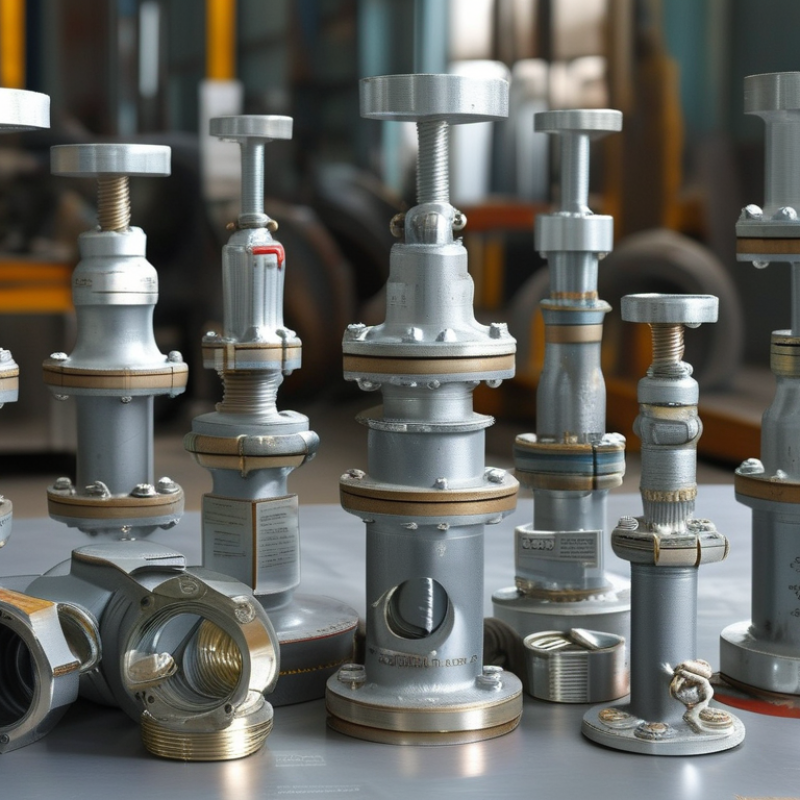
Anchor flanges are welded or bolted pipeline components that resist axial movement. They hold a pipe section in a fixed position. Unlike ordinary flanges, they transfer pressure thrust into concrete supports, steel structures, or engineered anchor blocks. This control matters near valves, bends, reducers, and changes in pipe direction. Without proper restraint, thermal expansion and internal pressure can shift the pipeline or overload nearby joints.
In practical installation, engineers check pipe diameter, pressure class, material grade, temperature, and soil conditions. They also calculate thrust forces before selecting an anchor flange. A typical assembly may include a flange, welded collar, anchor lugs, bolts, and a reinforced support. Weld quality is critical. Misalignment can create uneven stress, even when the flange faces appear smooth. Field teams should inspect dimensions, coating condition, bolt tightening, and weld records. Small errors remain expensive.
Tips: Confirm the design load with a qualified engineer. Keep flange faces clean and parallel. Use calibrated tools for bolt tightening. Check drainage around buried anchors. Do not treat an anchor flange as a decorative extension of a standard flange. That shortcut can fail. In my experience, installation drawings often receive less attention than material certificates, yet both deserve careful review. Site conditions may also differ from the original survey, so a final inspection should question assumptions rather than merely approve them.
Evaluating China’s anchor flange manufacturers requires more than comparing prices. Start with drawings, not brochures. Check flange dimensions, bolt-hole patterns, wall thickness, corrosion allowance, and design pressure. Ask whether the supplier follows ASME B16.5, ASME B16.47, EN 1092-1, or a project-specific specification. The correct standard depends on the pipeline system.
Material control deserves close attention. The World Steel Association reported that China produced 1,005.1 million tonnes of crude steel in 2023. This capacity supports broad sourcing, but it does not prove consistent flange quality. Request heat-number traceability, mill certificates, positive material identification, and calibrated dimensional records. For critical orders, require hydrostatic testing and ultrasonic examination. A certificate is evidence, not proof.
Factory audits reveal practical differences. Inspect machining areas, storage conditions, welding controls, and inspection records. Ask for sample reports from recent anchor flange projects, with sensitive client details removed. The World Bank’s Logistics Performance Index 2023 ranked China 19th, with a score of 3.7, indicating strong but imperfect logistics performance. Confirm packaging, export documents, and delivery buffers before signing. I would treat an attractive website as a weak signal. One overlooked tolerance can create field alignment problems, and low pricing rarely explains that risk clearly.
China’s Top 10 Anchor Flange Pipeline Manufacturers are often assessed through production control, engineering experience, and delivery reliability. The strongest manufacturers usually handle carbon steel, stainless steel, and alloy steel applications. Their workshops should show large forging presses, heat-treatment furnaces, CNC lathes, and traceable inspection stations.
Real performance starts with material control. Each flange should match the specified grade, dimensions, pressure class, and corrosion requirements. Experienced teams check ultrasonic results, hardness, chemical composition, and flange face accuracy. They also review welding procedures and coating performance when anchor flanges support buried pipelines. Small details matter. A rough sealing face can create leakage during commissioning.
A dependable manufacturer provides drawings, mill certificates, inspection reports, and practical technical support. Site experience is valuable when anchor systems face thermal movement, vibration, or uneven ground settlement. However, a polished catalog does not prove factory capability. Buyers should request recent project evidence, sample inspection records, and clear tolerances. Factory visits can reveal more than brochures. I would still verify subcontracted processes, because quality may vary between batches. Delivery promises also deserve caution when custom machining or special testing is required. The top ten should therefore be compared by measurable performance, not advertising language alone.
A credible Top 10 anchor flange pipeline manufacturers list should begin with evidence, not advertising claims. Quality starts with traceable steel, controlled forging, and documented heat treatment. Critical materials often include carbon steel, low-alloy steel, and stainless steel. Chemical composition, tensile strength, impact toughness, and hardness require independent verification. ISO Survey 2023 reported more than 1.2 million valid ISO 9001 certificates worldwide. However, certification alone cannot prove flawless production.
Manufacturing capability should match project pressure, diameter, temperature, and soil conditions. Buyers should check compliance with ASME B16.5, ASME B16.47, EN 1092-1, or ISO 7005. Anchor flanges also need accurate welding-neck geometry and reliable axial-load performance. Dimensional inspection should cover bore, bolt holes, facing, and flange thickness. Non-destructive testing may include ultrasonic, magnetic-particle, or dye-penetrant inspection. ASTM material reports and EN 10204 3.1 documentation improve traceability. I would not accept paperwork without reviewing inspection records. That is where many evaluations become too optimistic.
Tips: Request sample inspection plans before placing an order. Compare pressure ratings with actual operating conditions. Ask how rejected forgings are controlled. Review calibration certificates for measuring equipment. Check whether coating tests reflect buried pipeline exposure. Factory audits remain valuable, but they can miss inconsistent night-shift practices. A small pilot order may reveal more than a polished presentation.
The chart compares the number of nominal pressure designations defined in widely used flange standard systems. Broader designation coverage can support more application options, but it does not represent manufacturer rankings, market share, or product quality.
Reference basis: ASME B16.5 includes Class 150, 300, 400, 600, 900, 1500, and 2500; EN 1092-1 uses PN 2.5 through PN 400 designations; GB/T 9112 covers the commonly specified PN 0.25 through PN 40.0 series. Actual product acceptance should also verify material certificates, dimensional inspection, marking, traceability, and applicable pressure or non-destructive testing requirements.
Selecting the right Chinese anchor flange manufacturer requires more than comparing quotations. Check whether the supplier understands pipeline loads, soil movement, pressure ratings, and installation conditions. Ask for drawings, material certificates, welding procedures, and inspection records before discussing volume. A capable manufacturer should explain flange dimensions, steel grades, coating systems, and applicable standards in clear technical language.
Request traceability from raw material to final packing. Each flange should have a heat number, dimensional report, and pressure-test record when required. Photos are useful, but an independent inspection provides stronger evidence. Visit the factory if the project is critical. Look at machining accuracy, storage conditions, calibration labels, and how workers protect sealing faces.
Communication matters.
Confirm lead times in writing, including tooling and third-party inspection. A low quotation may appear attractive, yet it can exclude testing, special coatings, or export packaging. That mistake becomes expensive at the job site. Compare total delivered cost, not only the unit price. Also review previous projects with similar diameters and pressure classes, while checking references through verifiable documents.
Do not accept vague answers. One practical concern is often overlooked: production capacity during peak seasons. A factory may produce excellent flanges but miss your delivery window. Ask for a realistic schedule, quality hold points, and a response plan for nonconforming parts. Some suppliers may resist these questions. That hesitation deserves careful attention.
Stay in touch with the latest National Luna Products and News!