What Is a Dewatering Screw Press and How Does It Work?
Wastewater plants face growing pressure to treat more water with less space, energy, and operating labor. The U.S. Environmental Protection Agency’s 2024 Clean Watersheds Needs Survey estimates $630.1 billion in nationwide wastewater infrastructure needs over twenty years. That pressure makes efficient sludge handling increasingly important. A Dewatering Screw Press offers a compact approach for reducing sludge volume before transport, disposal, or further processing. The machine is simple, but not simplistic.
Inside the unit, conditioned sludge enters a slowly rotating screw. Gravity drains free water through a cylindrical screen. As the screw moves solids forward, the flighting becomes tighter and the available space decreases. A discharge cone then creates controlled backpressure. This pressure squeezes additional water from the sludge cake. The separated liquid, called filtrate, returns to the treatment process. The dewatered cake leaves with a firmer, more manageable texture.
Performance depends on sludge type, polymer selection, feed concentration, screw speed, and backpressure settings. The Water Environment Federation’s Manual of Practice No. 8 emphasizes process control, solids characteristics, and polymer conditioning in successful sludge dewatering. Real plants often adjust these settings daily. Small changes can alter cake dryness and filtrate clarity. It is not a magic solution. High grease content, poor mixing, or unstable sludge can reduce results quickly. A reliable evaluation should compare moisture content, capture rate, energy use, wash-water demand, and maintenance records. Operators should also consider odor, noise, cleaning access, and the final disposal route. This article explains how a Dewatering Screw Press works and where its practical advantages may—and may not—justify investment.
What Is a Dewatering Screw Press?
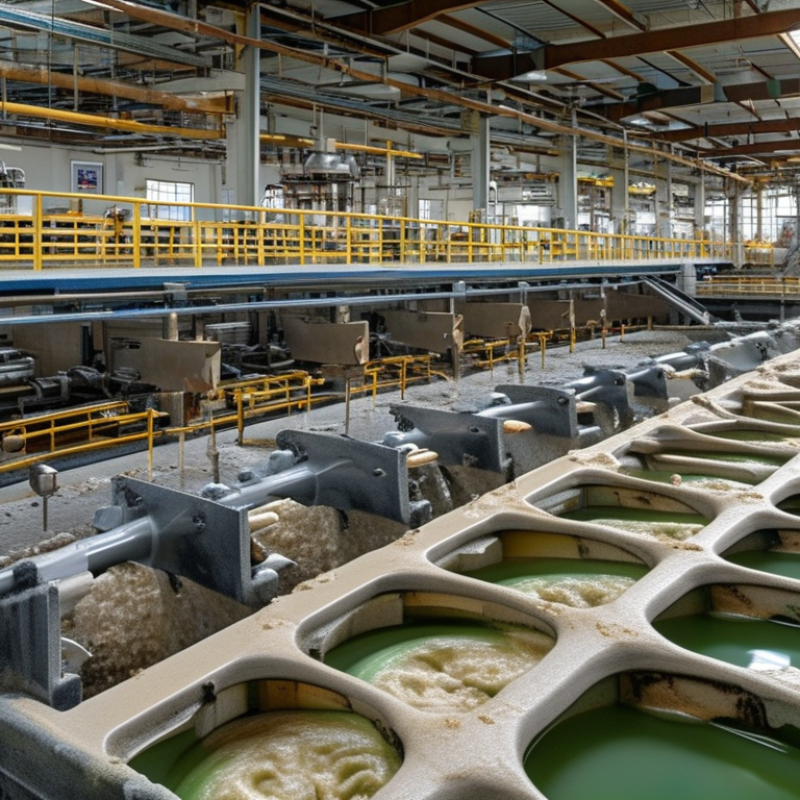
A dewatering screw press is a continuous mechanical device that removes water from wastewater sludge. It uses a slowly rotating screw inside a perforated cylindrical screen. Sludge enters the inlet, while the screw conveys it toward a narrowing outlet. Pressure increases gradually as the flight depth decreases. Filtrate passes through the screen, and the compressed sludge leaves as a denser cake.
This process usually needs polymer conditioning. Polymer helps fine particles bind into larger flocs, making water easier to release. The Water Environment Federation’s Design of Municipal Wastewater Treatment Plants, Manual of Practice No. 8, reports typical dewatered sludge concentrations of about 15% to 25% dry solids for screw press applications. Actual results depend on sludge type, polymer dosage, screen opening, and feed rate. Real plants rarely match laboratory figures.
Energy demand is often lower than centrifuge-based systems, because the screw turns slowly. The European Commission’s 2018 Waste Treatment BREF identifies screw presses as suitable low-speed equipment for sludge dewatering. Operators commonly monitor filtrate clarity, cake texture, torque, and motor load. A wet, shiny cake may indicate insufficient pressure or poor flocculation. Excessive torque can signal overfeeding or screen blockage.
The details matter. A few milliliters of incorrect polymer solution can change performance. Cleaning is also easy to underestimate. In practice, stable operation may require several adjustments before the press performs consistently.
What Materials Can a Dewatering Screw Press Process?
A dewatering screw press can process many wet, pumpable materials, but feed consistency matters. Municipal wastewater sludge is the most familiar example. The U.S. Environmental Protection Agency estimated about 7.2 million dry metric tons of biosolids were generated in 2018. That volume explains the demand for compact, continuous dewatering equipment.
Food-processing sludge is another practical feedstock. Dairy plants may press activated sludge mixed with fine solids. Breweries can handle biological sludge and spent-grain residues after proper conditioning. Meat and vegetable processors often treat organic sludge, but fats can smear across the screen and reduce drainage. Pulp and paper facilities may process fiber-rich sludge, though abrasive minerals can increase wear. Agricultural operations also use screw presses for manure solids and anaerobic-digestion digestate.
It is not a universal solution.
The 2018 European Commission Joint Research Centre waste-treatment report identifies screw presses as established mechanical dewatering equipment. Their performance depends on polymer selection, solids concentration, temperature, and screen design. A feed containing roughly 1–3% total solids may need thickening before pressing. Higher-solids material usually forms a firmer cake. Actual results vary widely.
Operators should test the material first. A sludge that looks similar may behave differently after digestion. This is where simple assumptions fail. EPA biosolids data and site records help estimate capacity, but pilot testing reveals torque, filtrate clarity, and achievable cake dryness.
What Is a Dewatering Screw Press and What Materials Can It Process?
A dewatering screw press uses a slowly rotating screw and a gradually narrowing screen chamber to separate liquid from sludge or other wet solids. The chart shows representative total solids content commonly found in feed materials before screw-press dewatering. Actual values vary with the source, treatment process, and conditioning method.
How Does the Dewatering Screw Press Work Step by Step?
A dewatering screw press removes water from sludge or other wet solids through slow conveying and controlled compression. Unlike a fast centrifuge, it works gently and usually requires less energy. Its performance depends on feed consistency, solids content, and proper adjustment.
The process begins when a pump sends conditioned material into the inlet chamber. Polymer may help small particles join into larger flocs. Inside the press, a rotating screw moves the material across a perforated screen. Free water drains through the openings by gravity. The drained liquid flows into a collection channel.
As the material travels forward, the screw spacing usually becomes narrower. This reduces the available volume and increases pressure. A movable backpressure plate controls resistance at the outlet. More resistance can produce drier cake, but excessive pressure may overload the drive. The machine then discharges a damp, compact cake for handling.
Operators monitor the filtrate clarity, motor load, cake texture, and feed rate. These details reveal whether the press is balanced. A cloudy filtrate may indicate poor flocculation or excessive flow. A watery cake can result from low pressure, weak conditioning, or unsuitable sludge. In practice, settings rarely work perfectly on the first attempt. Small adjustments are often necessary. The screw may be turning, but the process still needs judgment. Temperature and seasonal sludge changes can also affect drainage. Careful records make those changes easier to understand.
What Are the Main Components of the Machine?
A dewatering screw press separates liquid from sludge through slow, continuous compression. Its main components work together inside a compact frame. The feed hopper receives sludge from a pump or gravity line. A level sensor can regulate the incoming flow. Small changes matter. Uneven feeding often produces wet, unstable cake.
Inside the machine, a rotating screw moves the sludge through a perforated screen or cylindrical cage. The screw flights usually become tighter toward the outlet. This changing pitch reduces available space and increases pressure. A variable-speed motor and gearbox control the screw’s movement. Slower rotation often improves dewatering, but it can reduce capacity. Operators should check the actual sludge condition rather than trust one fixed setting.
At the discharge end, an adjustable pressure cone or back-pressure plate controls cake resistance. The separated liquid passes through the screen and leaves through a filtrate outlet. Spray nozzles wash the screen during operation or cleaning cycles. A control panel manages speed, alarms, flushing, and overload protection. The frame supports these parts and limits vibration. Keep it clean. Blocked screens can reduce performance quickly. In practice, this machine is not maintenance-free, despite its simple appearance. Screen wear, poor polymer mixing, or excessive feed can change the results. A short inspection of the screw, bearings, seals, and wash system can reveal problems before cake quality declines.