Industrial heat remains a major energy challenge, making the selection of an Industrial Oil Boiler commercially important. The International Energy Agency’s Tracking Industry 2023 report states that industry consumes approximately 37% of global final energy. Heat production represents a substantial share of that demand. In many factories, boilers operate continuously, feeding steam through long pipes to sterilizers, dryers, heaters, and process vessels.
The U.S. Department of Energy reports that steam systems can account for nearly 30% of industrial energy use in the United States. Small design weaknesses matter. Poor insulation, unstable burners, or oversized vessels can increase fuel consumption every hour. This is why dependable manufacturers focus on thermal efficiency, burner control, pressure stability, safety instrumentation, and accessible maintenance. Suppliers should also provide combustion testing, spare parts, operator training, and documented after-sales support.
No ranking is perfect. A manufacturer with strong engineering may have limited regional service coverage. Another supplier may offer a low purchase price but weaker lifecycle support. The European Commission’s Energy Efficiency and Decarbonisation reports also emphasize the importance of monitoring industrial energy performance, not relying only on advertised efficiency figures. Therefore, this guide compares leading Industrial Oil Boiler manufacturers and suppliers through practical criteria, including verified performance data, manufacturing experience, compliance documentation, fuel flexibility, delivery capability, and customer support. Readers should examine site conditions carefully, including fuel quality, operating pressure, water treatment, local emissions requirements, and annual running hours. Numbers can look impressive on paper. Real factory performance still needs verification.
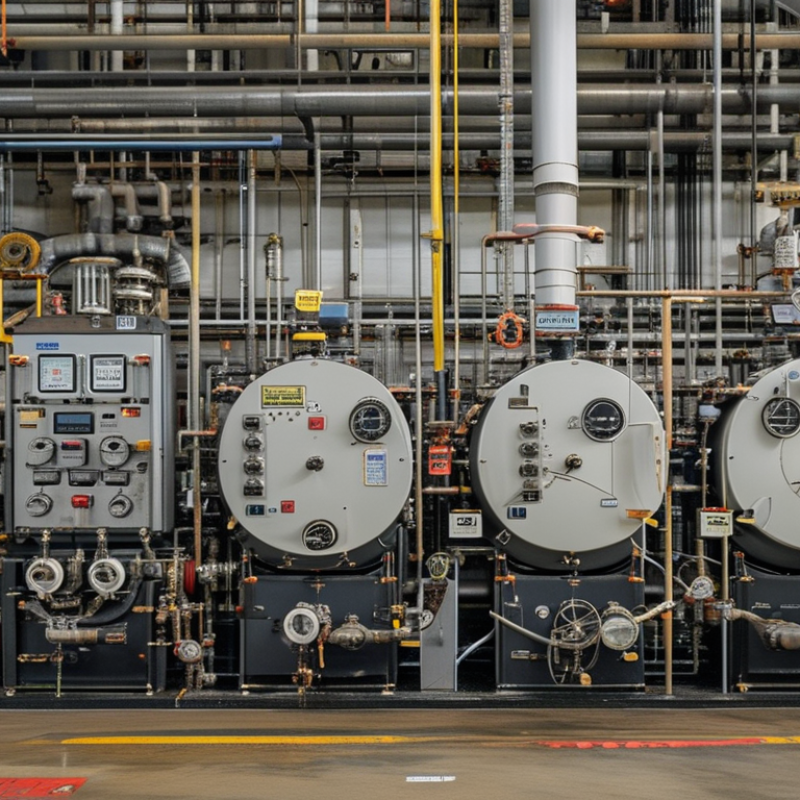
Industrial oil boilers convert the chemical energy of liquid fuel into useful heat.
They commonly serve factories, laundries, food plants, workshops, and large heating systems. The main types include fire-tube, water-tube, vertical, horizontal, and thermal-oil boilers. Each design suits different pressures, temperatures, floor areas, and maintenance conditions.
In a fire-tube boiler, hot combustion gases pass through tubes surrounded by water. This arrangement is durable and practical for moderate steam demand.
Water-tube boilers move water through heated tubes and respond better to high-pressure applications.
Thermal-oil boilers heat circulating oil instead of producing steam. They support steady process temperatures and avoid some high-pressure water systems.
The operating principle is simple, but control details matter.
A burner atomizes oil and mixes it with air inside the furnace. Ignition creates a controlled flame, while heat transfers through metal surfaces.
Pumps circulate water or thermal oil through the system. Sensors monitor pressure, temperature, flame quality, and exhaust conditions. Automatic controls adjust fuel and air ratios during changing loads.
In field inspections, poor air adjustment often causes smoke, carbon deposits, and wasted fuel.
Small leaks can become expensive faults. Operators should check filters, burner nozzles, safety valves, insulation, and water quality on a planned schedule.
A boiler may appear efficient during a short test, yet perform poorly under full production demand. That assumption deserves review.
Availability of suitable fuel, trained technicians, ventilation, and local compliance requirements should influence equipment selection.
Choosing an industrial oil boiler supplier requires more than comparing purchase prices. Start by examining proven field experience, engineering qualifications, and documented testing procedures. Ask for performance data at different load levels, not only at full capacity. A boiler running at 40% load may behave very differently. Request records for thermal efficiency, fuel consumption, emissions, and pressure stability. Independent inspection reports add useful credibility.
Check whether the supplier understands your operating conditions. Fuel quality, water chemistry, ambient temperature, and daily production cycles all affect boiler performance. The manufacturer should explain burner control, safety interlocks, heat recovery options, and maintenance access in clear language. Visit an operating installation if possible. Look closely at insulation, control panels, pipe joints, and housekeeping. Small details often reveal workmanship.
Service support can determine the real cost of ownership. Confirm spare-parts availability, technician response times, training, warranty coverage, and commissioning procedures. Ask how faults are diagnosed remotely and on site. Some suppliers present impressive efficiency figures, but those figures may exclude standby losses or maintenance downtime. We once treated a laboratory result as a field guarantee; that was a poor assumption. Require written operating conditions and realistic references. A lower quotation can become expensive when support is weak. Conversational honesty matters, too. If a supplier cannot explain limitations, keep evaluating.
Top Industrial Oil Boiler Manufacturers and Suppliers?
Leading industrial oil boiler manufacturers distinguish themselves through measurable product strengths, not attractive brochures. The IEA’s Energy Technology Perspectives identifies industry as consuming about 37% of global final energy. That makes fuel efficiency a serious purchasing factor. Strong suppliers publish tested efficiency curves, burner turndown ratios, furnace dimensions, and pressure ratings. A boiler delivering stable heat at 30% load can reduce cycling losses in factories with uneven demand.
Design quality also appears in practical details. Look for ASME Section I or EN 12953 compliance, documented weld inspections, automatic flame safeguards, and accessible tube cleaning points. The U.S. Department of Energy’s Industrial Decarbonization Roadmap highlights efficiency upgrades, controls, and fuel management as important industrial actions. A reliable oil boiler should include oxygen monitoring, low-water protection, and clear alarm records. Small details matter.
Service strength is less visible, but often decisive. Suppliers with local technicians, spare-burner inventories, and commissioning records usually reduce downtime. The International Energy Agency also stresses digital monitoring and operational optimization across energy-intensive facilities. Remote data can reveal fouling before stack temperature rises sharply. Still, specifications can mislead. Rated efficiency may assume ideal fuel, load, and maintenance. Buyers should request witnessed performance tests, three-year parts availability, and references from similar operating conditions. The ranking is never perfect. Boiler performance changes in real factories.
A dependable supplier does more than quote boiler capacity. It should review your fuel type, operating pressure, heat demand, water quality, and installation space. Experienced teams often conduct a site survey before recommending equipment. This prevents costly mismatches between the boiler and the plant’s actual workload. Small details matter.
Supplier services should include thermal sizing, layout drawings, piping guidance, delivery coordination, installation support, and commissioning. Ask for factory acceptance testing records, pressure-test reports, material traceability, and operating manuals. Training should cover burner adjustment, water treatment, alarm handling, and routine inspection. Spare parts planning also reduces unexpected downtime.
Certifications require careful checking. Depending on the destination, relevant evidence may include ISO 9001 quality systems, pressure-equipment compliance, electrical safety approvals, and recognized welding qualifications. Requirements differ by jurisdiction. Verify certificate scope, issuing body, validity, and equipment coverage. Customization may involve burner selection, control logic, insulation thickness, skid mounting, heat recovery, or remote monitoring. A capable supplier documents every change and explains its effect on efficiency, maintenance, and safety. Yet no supplier gets every detail right. Initial assumptions can be incomplete, especially when fuel quality changes seasonally. Require clear design reviews, witnessed testing, and written approval before production.
Top Industrial Oil Boiler Manufacturers and Suppliers?
Purchasing, Installation, and Maintenance Considerations
When comparing industrial oil boiler manufacturers and suppliers, treat the purchase as a lifecycle decision. Ask for verified efficiency data, burner specifications, heat output ranges, and service coverage. The lowest price is rarely the lowest operating cost. Request references from facilities with similar loads and fuel conditions. Check lead times for pumps, controls, and burner parts. Small details matter. A supplier should explain assumptions clearly, not hide them in technical language.
Installation begins with a measured heat-load study, not a guess based on the old boiler. Confirm flue sizing, ventilation, fuel filtration, tank placement, drainage, and electrical isolation. Qualified technicians should test combustion, safety interlocks, pressure controls, and emergency shutoff systems before handover. Keep commissioning records, drawings, and calibration results. I would also inspect access space. A boiler that cannot be safely opened becomes expensive to maintain.
Maintenance needs a written schedule based on operating hours, fuel quality, and site conditions. Inspect burners, nozzles, filters, refractory surfaces, seals, and water chemistry regularly. Record stack temperature and combustion readings; rising values can signal fouling or poor adjustment. Train operators to notice smoke, unusual noise, and repeated cycling. Do not rely on appearance alone. Even experienced teams miss gradual deterioration. Review the plan after the first heating season, because real operating behavior can challenge the original design.
Stay in touch with the latest National Luna Products and News!